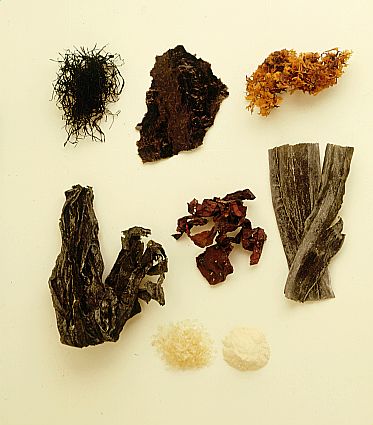
sea veggies are an excellent source of minerals.
Mineral deficiencies impair thyroid, adrenal and heart function. Eat sea vegetables, leafy greens and bone broth, and consider quality supplements to restore balance and energy!!
As a nation, we are chronically deficient in minerals, and most of us don’t know it. Mineral deficiencies contribute to a variety of health problems.
Why Do We Need Minerals?
Minerals should exist in ideal ratios in the body; the most important ratios are calcium/magnesium and sodium/potassium. When these ratios are off, say, from not getting enough magnesium or getting too much sodium (mainly via salt), deficiencies develop. The adrenals rely on a high concentration of minerals to properly function, so if you are not getting enough minerals, these glands suffer most. You may feel tired or experience low thyroid (which can cause constipation, dry skin, sleep difficulty, and fatigue), because your adrenals govern your thyroid hormone.
Minerals are necessary for nearly every bodily function, from building bones, teeth, and joints to acting as enzyme co-factors to helping the body maintain proper PH (acid-alkaline balance). Plants obtain minerals from the soil, and most of the minerals in our diets come directly from plants or indirectly from animal sources (animals eat plants).
Minerals from plant sources vary, because soil mineral content varies geographically. And with modern farming methods–including mass production of crops–soil depletion is caused by improperly maintaining farmland and spraying crops with pesticides. As a result, our produce has only a fraction of the minerals it should contain.
Mineral Deficiencies Can Cause
- high blood pressure
- heart rhythm issues
- fatigue
- Constipation
- Muscle cramping
- thyroid issues
- sleep issues
Minerals are easily flushed from the body in times of stress and from coffee, alcohol, and sugar consumption. Minerals are necessary for every enzymatic function in your body, and these processes speed up during times of stress. Or, if you have low stomach acid (WAY more common than you think, especially as you get older), you’re not properly breaking down food and absorbing minerals from your food. If you have a poor diet, high in refined foods, white flour, sugar, coffee and booze, you’ll run into a mineral deficiency sooner rather than later.
Minerals You Need & Why
Magnesium regulates muscle contraction and fosters stress relief and relaxation. Necessary for proper cardio function. Can be used therapeutically (500mg/day) to lower blood pressure and relive constipation and muscle/menstrual cramping. New research suggests that high blood pressure is more closely linked to diets low in minerals, such as calcium, potassium, and magnesium.
Calcium is the most abundant mineral in your body. Needed for hormone production, heart, and bone health. Some evidence indicates calcium aids weight loss. Do not take calcium independently from magnesium: the 2 exist in a ratio in the body, and too much calcium in relation to magnesium may contribute to calcification.
Potassium helps maintain the acid/alkaline balance in your blood. Also needed for blood pressure regulation.
Zinc promotes immune and digestive health and boosts immunity. Frequent illness? Ramp up your zinc intake. Beef and lamb are best sources. Pumpkin seeds are the best vegetarian source.
The best sources for minerals include the following:
- sea vegetables such as hijiki, wakame, kelp, nori, kombu, etc. Sprinkle on salads or add to broths and soups. Herbal and green teas are good sources.
- EAT MORE GREENS: they are an excellent source of magnesium, in which many, many people are deficient.
- Make your own mineral broths or gelatin-rich bone broth, and sip at night to foster good sleep. Minerals, especially magnesium, relax the nervous system and promote restful sleep. Try a calcium/magnesium supplement at night to help you sleep. Click here for a bone broth recipe, or make a veggie broth with root vegetables like yams, beets, or potatoes, greens, egg shells (high in calcium), sea veggies, onion, garlic, cruciferous veggies, and ginger. Chop and add all to pot; cover with filtered water; simmer for about 4 hours; strain. Sip. Very alkalinizing and mineral-rich. Use broth as a base for soups and to cook brown rice or quinoa if you eat grains.
- Root vegetables are an excellent source for minerals
- Chlorella/spirulina supergreens blends are great too. I like Amazing Grass.
- Body Ecology’s Ancient Minerals formula is an excellent source
I recommend that everyone take a vitamin-mineral supplement. It’s nearly impossible, even if you eat perfectly (and who does?), to get all the minerals you need from your food, unless you’re fortunate enough to live on a biodynamic farm and you pluck your dinner freshly from the ground every night. By the time our vegetables are picked and shipped to us and then cooked, they’ve lost a lot of nutrients. Get a good mix of raw and cooked veggies, sip your bone broth, add sea veggies to your meals, and you’ve got a good start!
Frequently Asked Questions
Why are minerals so important for overall health?
Minerals regulate core body systems including bone strength, nerve signaling, hormone balance, enzyme activation, and acid alkaline stability. When mineral ratios such as calcium to magnesium fall out of balance, symptoms like fatigue, muscle cramps, thyroid disruption, and low energy may develop.
How can mineral deficiencies affect the adrenal glands?
The adrenal glands rely on minerals to regulate cortisol, thyroid signaling, and stress response. When magnesium, potassium, or sodium levels drop, adrenal output weakens. This may lead to burnout, sleep problems, constipation, dry skin, and symptoms often linked to low thyroid function.
Why are modern diets often low in minerals?
Industrial farming, soil depletion, and long supply chains reduce the mineral density of produce. Processing, refining, and high heat cooking further strip nutrients. Diets high in sugar, alcohol, and caffeine also increase mineral loss, contributing to widespread deficiencies.
What symptoms may point to low mineral levels?
Signs of mineral imbalance include high blood pressure, irregular heartbeat, muscle cramps, fatigue, anxiety, constipation, and poor sleep. Chronic stress increases mineral excretion. Low stomach acid can also impair absorption, even when mineral rich foods are consumed.
Which key minerals does Mary Vance emphasize most?
Mary Vance highlights magnesium for relaxation and nervous system health, calcium for bone and hormone balance, potassium for blood pressure regulation, and zinc for immune strength and digestion. Balanced intake supports metabolic stability and thyroid function.
What foods are rich in natural minerals?
Sea vegetables such as kelp and nori provide dense trace minerals. Leafy greens supply magnesium and calcium. Root vegetables support electrolyte balance. Bone broth and mineral rich vegetable broths offer absorbable nutrients that support digestion and restorative sleep.
Should everyone consider a mineral supplement?
Mary Vance explains that many people benefit from a high quality vitamin and mineral supplement due to soil depletion and lifestyle stress. Supplements work best when combined with whole foods, greens, sea vegetables, and broth for long term mineral balance.
 Welcome to my site! I am a holistic nutrition consultant based in California, though I work with clients all over the world. I love houseplants, dogs, snow sports, and music that doesn't suck.